California Expands Crackdown on Kratom and 7-OH
/By Pat Anson
California is expanding a statewide crackdown on kratom and 7-OH products, with Gov. Gavin Newsom boasting of a “95% compliance rate” in removing the products from store shelves.
“California will not stand by while dangerous, illegal products are sold in our communities. We’ve shown with illegal hemp products that when the state sets clear expectations and partners with businesses, compliance follows. This effort builds on that model — education first, enforcement where necessary — to protect Californians,” Newsom said in a statement.
California’s crackdown began last October, when state health officials issued a consumer warning claiming that kratom and 7-OH are dangerous and illegal to sell. State agents also began visiting over 4,500 licensed retailers, urging them to voluntarily remove the products from their shelves.
Enforcement actions stepped up in January, with most retailers complying. To date, 61 violations have been reported, with over $5 million worth of kratom and 7-OH products seized. The state has warned non-compliant vendors that they could lose their licenses to operate.
To be clear, the enforcement action is uneven. It’s still relatively easy to order kratom or 7-OH products from out-of-state and have them shipped to California, where I live.
I visited a retail outlet in the San Gabriel Valley this morning that was still selling kratom, but not 7-OH. A clerk at the store told me they knew 7-OH “would be a problem” due to its potency and, as a result, had never sold 7-OH products.
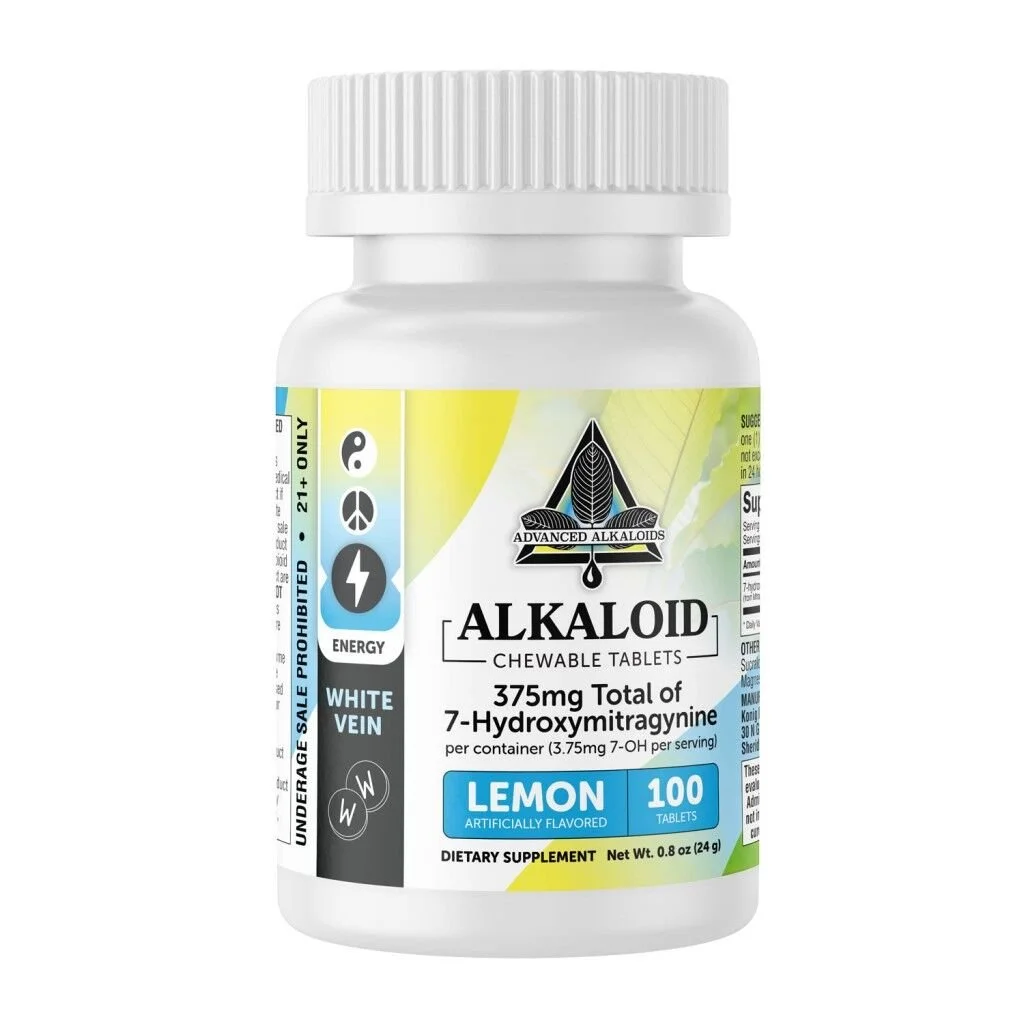
7-OH (7-hydroxymitragynine) is an alkaloid that occurs naturally in kratom in trace amounts. When concentrated, it has opioid-like effects that can relieve pain and boost energy levels. Natural leaf kratom has similar, but milder effects, and has been used for centuries in Southeast Asia as a natural pain reliever and stimulant.
While hundreds of fatal overdoses in the U.S. have been blamed on kratom, the evidence supporting that claim is thin. Other drugs and substances are usually involved, making it difficult to attribute the deaths to a specific cause.
Federal Efforts Foiled
In recent years, several states and dozens of local municipalities have banned kratom and/or 7-OH sales, but federal efforts have been stymied by lack of evidence they are harmful.
In 2016, the DEA and FDA tried unsuccessfully to classify 7-OH and the kratom alkaloid mitragynine as illegal Schedule One controlled substances, only to drop those efforts after a public outcry. A top federal health official later said the FDA withdrew its scheduling request because of “embarrassingly poor evidence & data.”
Last summer, the FDA said it would ask the DEA once again to schedule 7-OH as a controlled substance, but the DEA has yet to act on that request.
Even when the FDA has acted on its own, it has run into difficulty. In 2023, the agency seized nearly 250,000 bottles of “Feel Free,” an herbal drink containing kratom, from Oklahoma-based Botanic Gardens. The FDA alleged the drink was an adulterated substance and there was inadequate information that it was safe to consume.
Over a year later, the FDA quietly dropped the case. Botanic Gardens has continued to manufacture and sell Feel Free, because the FDA never obtained a permanent injunction telling them to stop.
Some of the agency’s own research, recently published in the journal Therapeutic Drug Monitoring, supports the safety of kratom.
When natural leaf kratom was given to 116 healthy volunteers for 47 days in a placebo-controlled clinical trial, including some at very high doses, researchers reported kratom was “well tolerated,” with no serious adverse events and “no evidence of meaningful abuse potential or withdrawal.”
The FDA now says it “not focused on natural kratom leaf products” and only wants concentrated 7-OH extracts banned.
Critics say ham-handed efforts by federal, state and local governments to ban either kratom or 7-OH could backfire by fueling demand for a new illicit drug.
“Moving 7-OH into Schedule I would not eliminate demand; it would displace it, shifting sales from regulated retail settings into illicit markets where potency is unverified, adulteration is common, and risks are far greater,” Jeffrey Singer, MD, a senior fellow at the Cato Institute, wrote in an op/ed in the Washington Examiner.
“Such a step could also provide transnational criminal organizations with yet another product to layer onto a portfolio already dominated by fentanyl and its analogues. In striving to prevent harm, lawmakers risk repeating a familiar policy pattern — one that inadvertently amplifies danger while removing a lower-risk alternative from the legal marketplace.”